

Call us or book online to arrange your malaria prevention consultation at Kingsland Pharmacy in Southampton. Come in at least four to six weeks before you travel so there is time to start your tablets at the right point.
Our pharmacist will review your exact destinations, travel dates, planned activities, and personal health history. The right antimalarial depends on where you are going, how long you are staying, and whether drug resistance is a factor in your area.
Once the right medication has been identified, we will supply it and explain when to start, how to take it, and when to stop. You will also receive bite prevention advice to use alongside your tablets while you are away.
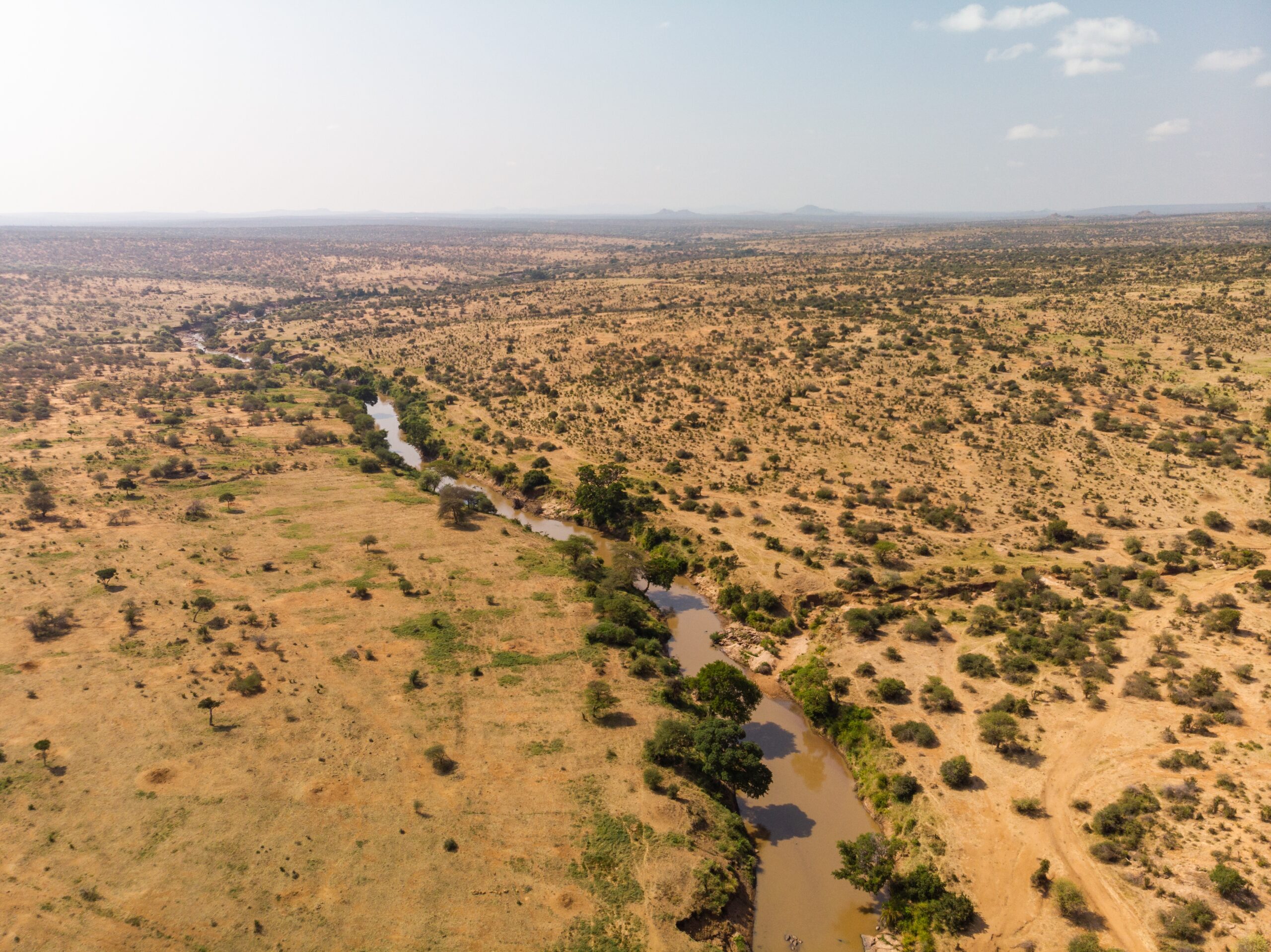
Sub-Saharan Africa carries the highest malaria risk in the world and accounts for the vast majority of malaria deaths each year. Plasmodium falciparum, the most dangerous malaria parasite, is the dominant strain across most of the region.
Antimalarial medication is strongly recommended for all travellers to this region, including short stays and city visits in some countries. Your pharmacist will confirm the level of risk for your specific destination and itinerary.

Malaria risk across South and Southeast Asia varies a great deal depending on the country, the specific region, and the time of year. Risk is generally higher in rural and forested areas, and lower in major cities and popular tourist destinations.
Countries including India, Myanmar, Cambodia, Laos, Thailand, and parts of Indonesia carry meaningful malaria risk in certain areas. Your pharmacist will review the latest country-specific guidance before recommending a medication.

Malaria is present across parts of Central America, the Amazon basin, and several South American countries including Brazil, Colombia, Peru, and Bolivia. Risk is concentrated in rural and jungle areas rather than urban centres.
The dominant parasite species varies by country, which affects which medication is most appropriate. Some areas have Plasmodium vivax as well as falciparum, and your pharmacist will factor this into the risk assessment.
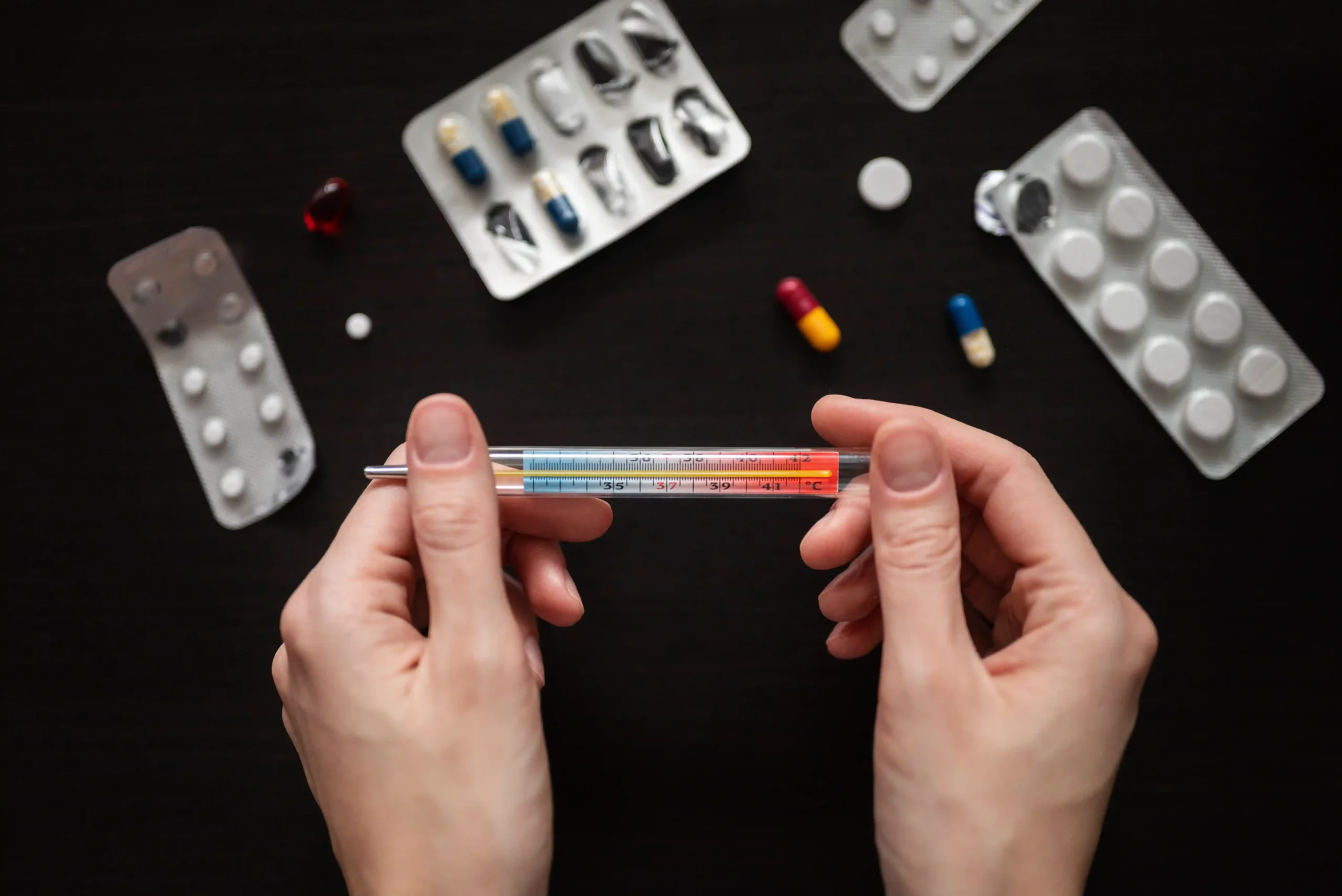
Chloroquine-resistant Plasmodium falciparum is widespread across Sub-Saharan Africa, parts of Asia, and South America. This means older antimalarials such as chloroquine alone are no longer effective in many destinations.
In parts of Southeast Asia, particularly Cambodia, Myanmar, and the border regions of Thailand, resistance to artemisinin-based treatments has also been reported. Your pharmacist will check current UKHSA and NaTHNaC resistance guidance for your specific route before advising on medication.

Some travellers assume that a short trip, a holiday resort, or a well-known tourist destination means no malaria risk. This is not always the case, and many malaria cases in UK travellers occur in people who felt the risk did not apply to them.
Malarone is one of the most widely used antimalarials for UK travellers, taken once daily starting one to two days before entering a risk area and continued for seven days after leaving. It is not suitable for severe kidney impairment, children under 5kg, or generally during pregnancy and breastfeeding. Speak to our pharmacist as it may be considered after a careful risk assessment.
Doxycycline is an antibiotic that doubles as an effective and affordable antimalarial option for most destinations. It is taken once daily, starting one to two days before travel and continued for four weeks after leaving the risk area. It is not suitable for children under 12, pregnant women, or people who are breastfeeding, and sun protection is important while taking it due to increased skin sensitivity.
Mefloquine is a weekly tablet suited to longer trips where daily medication is harder to manage, but it must be started two to three weeks before travel and requires careful screening for depression, anxiety disorders, psychosis, seizures, or other psychiatric conditions. Your pharmacist will go through all available options and recommend the most appropriate one for your trip, health, and travel duration.
The earlier you come in before your trip, the better. Most antimalarial tablets need to be started before you enter a malaria risk area, not on arrival. Malarone is started one to two days before travel, while doxycycline also begins one to two days before. Mefloquine needs to be started two to three weeks before departure.
We recommend booking your malaria consultation at least four to six weeks before you travel. This gives you time to get your medication, check how your body responds, and deal with any issues before you leave.
If your trip is coming up sooner than that, do not delay. Come in as soon as possible and our pharmacist will work with what time you have. Last-minute consultations are still better than travelling without any protection at all.

Antimalarial tablets reduce your risk of malaria but do not guarantee complete protection on their own. The best approach combines medication with physical measures to avoid mosquito bites in the first place.
Anopheles mosquitoes, which transmit malaria, bite mostly between dusk and dawn. Covering your arms and legs after dark, using a DEET-based insect repellent of at least 50 per cent concentration, and sleeping under a permethrin-treated mosquito net all reduce your exposure.
If you develop a fever or flu-like illness during your trip or within a year of returning from a malaria risk area, seek medical attention straight away. Tell the doctor or nurse where you have been travelling. Malaria can be serious if it is not caught and treated quickly.

Book directly with us. No waiting for a GP appointment before you can get your antimalarial medication
We check the latest UKHSA and NaTHNaC guidance for your exact route, not just your destination country.
Malarone, doxycycline, and mefloquine all available. We find the right fit for your trip, health, and budget.
Your consultation is carried out by a qualified, registered pharmacist trained in travel health.
Bite prevention advice, symptom awareness, and what to do if you feel unwell are all covered in your consultation.
Come in on the day or book ahead. We work around your schedule.
In most cases, we can supply your antimalarial medication on the same day as your consultation.
Real stories from real patients who trust Kingsland Pharmacy every day.
“If they could be my doctors I’d be very happy. Always where I go before I go to the doctor and generally better advice, certainly more personal.”

“Absolutely outstanding service at Kingsland! From the moment I walked in, I was greeted with a warm and friendly atmosphere. The staff is incredibly knowledgeable, especially the pharmacists, and went above and beyond to address all my concerns.”
“Fabulous little pharmacy. Covid and flu jabs administered brilliantly. Thank you all.”
“Had the best service. The pharmacist went out of his way to make sure we got our antibiotics when others couldn’t help us. The perfumes were also amazing, we ended up buying a few whilst we waited.”
“Cannot fault the service I receive from Kingsland Pharmacy. Staff go above and beyond to help, even though they are very busy. Thank you all 🩷”
“Excellent pharmacy, always have my orders ready on time. Very helpful with minor health issues, so save trying to see a GP.”
It depends on the country and the cities on your itinerary, as risk varies widely even within the same destination. A destination-specific risk assessment at your consultation is the only reliable way to know.
Yes, we can carry out malaria consultations and supply antimalarial medication for adults and children. Each person is assessed individually, as children have different dosing requirements and some medications are not suitable for younger ages.
Mild side effects such as headache or stomach upset are common in the first few days and often settle on their own. If symptoms are more troubling, stop the medication and contact us or your GP so we can discuss switching to a different option before you travel.
Some antimalarials interact with other medicines, including warfarin and certain heart medications, so it is important to tell your pharmacist about everything you take. This is factored into the recommendation we make during your consultation.
Antimalarial medication for travel is not routinely available on the NHS and is classed as a private service. Our pharmacist will give you a clear price before your appointment is confirmed.
If you miss a dose of Malarone or doxycycline, take it as soon as you remember and continue from there without doubling up. Your pharmacist will go through the specific instructions for your medication at the consultation.
We share health tips and travel advice. Stay informed about safety and managing medicine.
At Kingsland Pharmacy in Southampton, our pharmacist will carry out a full travel risk assessment and supply the right antimalarial medication for your trip, with no GP referral needed.